
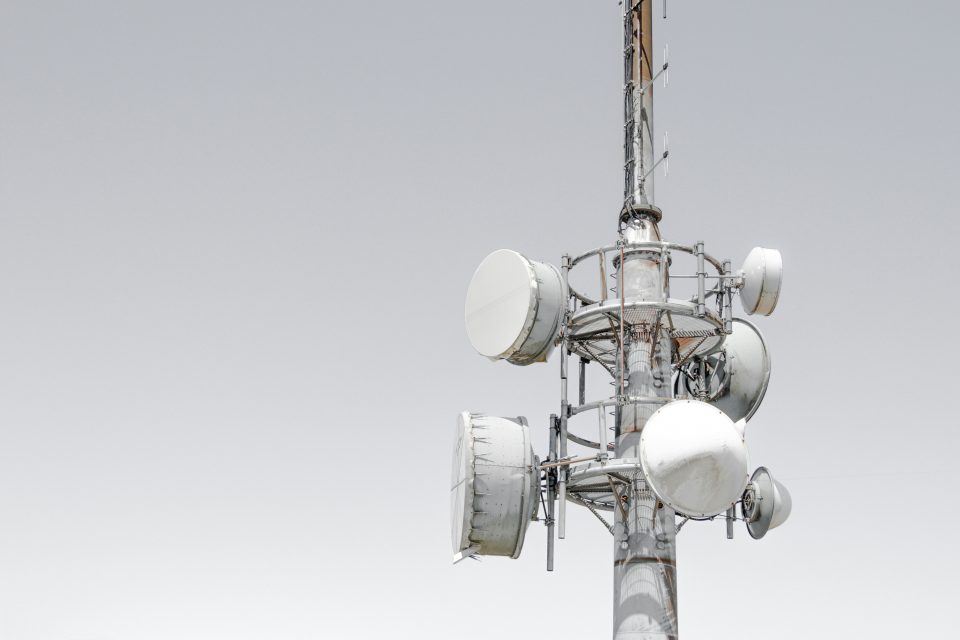
Allowing a wireless carrier to install equipment on your land or building can create a recurring source of income. However, the financial opportunity comes with a long-term agreement that may affect how you use, sell, or develop your property. Before accepting an offer, it is worth understanding how lease payments are evaluated and which contract terms can have the greatest effect on the arrangement.
When reviewing Cell tower lease rates, property owners should look beyond the initial monthly payment. The location’s usefulness to a wireless network, the space being leased, the length of the agreement, and the rights granted to the carrier can all influence the overall value. A proposal that appears attractive at first may become less favorable if it includes restrictive renewal terms or broad rights to expand equipment without additional compensation.
Why Lease Values Differ From Property to Property
Cell tower leases do not follow a universal pricing schedule. A carrier evaluates a site based on its technical requirements and the alternatives available for maintaining or improving network coverage. As a result, two properties in similar locations may receive different offers.
Several factors can influence the terms a carrier proposes.
Location and network demand
A site may be attractive because of its position relative to nearby neighborhoods, roads, commercial areas, or existing network equipment. Elevation and the surrounding landscape can also affect its suitability. If a location helps a carrier meet a specific coverage or capacity need, it may be more valuable to that carrier than a site with several practical alternatives.
Still, property owners should avoid assuming that a busy area automatically guarantees a high offer. The carrier’s technical requirements and the availability of other suitable locations matter as well.
Site access and physical characteristics
Carriers need enough space for antennas, equipment cabinets, cabling, and related infrastructure. They may also need access routes, utility connections, and room for technicians to carry out maintenance. The property’s layout, structural condition, and ability to accommodate the installation can affect the proposal.
Lease duration and permitted use
A longer agreement can provide a property owner with predictable income, but it can also limit flexibility for many years. The value of the arrangement depends partly on the rights the carrier receives during that period, including whether it can install additional equipment, modify the site, or exercise multiple renewal options.
Evaluate the Full Payment Structure
The starting rent is only one component of a long-term lease. Owners should understand how payments may change during the agreement and whether the contract provides opportunities to revisit the financial terms.
Starting rent and payment schedule
Confirm the amount of rent, how frequently it is paid, when payments begin, and whether any fees or deductions apply. If the agreement covers several distinct areas or types of equipment, make sure the payment terms clearly describe what the rent includes.
Annual increases
Some leases include scheduled rent increases, while others may keep the payment unchanged for a defined period. A fixed payment can lose purchasing power over time, so the escalation clause deserves close attention.
Read the wording carefully to determine the percentage or formula used, the dates when increases take effect, and whether the same rules apply during renewal periods. Do not rely on a verbal explanation if the written contract says something different.
Renewal periods
Wireless carriers often seek options to extend a lease beyond its original term. These provisions can give the carrier long-term access to a useful site, but they may reduce the owner’s ability to renegotiate the agreement.
Check how many renewal options are included, how long each option lasts, and whether rent increases during those periods. Also determine whether the carrier can exercise an option automatically by providing notice or whether other conditions must be satisfied.
Understand Exactly What the Carrier Can Do
The lease should define the carrier’s rights clearly enough that both parties understand the permitted use of the property. Broad or ambiguous language can lead to disagreements if the carrier later wants to expand or modify its installation.
Equipment upgrades and expansion
Wireless technology changes over time. A carrier may eventually want to replace antennas, add equipment, upgrade cabling, or install additional components. The contract should explain which changes are permitted without further approval and which require the property owner’s consent.
It should also address whether an expansion that increases the amount of space used or changes the site’s impact on the property triggers additional rent. Owners should not assume that every future equipment upgrade will result in higher compensation.
Access rights
Maintenance crews may need to visit the site to inspect, repair, or replace equipment. Review whether access is permitted at any time, whether advance notice is required, and which routes technicians may use. If the property includes a home, business, or shared access area, these details can be particularly important.
Maintenance and restoration
Clarify who is responsible for routine maintenance, damage caused during site work, and repairs to access routes or surrounding areas. The agreement should also describe the carrier’s obligations when the lease ends, including equipment removal and site restoration.
Compare Offers Without Relying on a Single Number
Comparing proposals can help property owners identify differences in both compensation and contractual obligations. However, comparing only the monthly payment can produce a misleading result if the agreements have different terms.
When reviewing an offer, consider the following:
- Total payment potential: Estimate payments over the initial lease term using the actual escalation provisions in the agreement.
- Renewal economics: Determine how rent changes if the carrier exercises its extension options.
- Scope of the lease: Compare the amount of space, access rights, and equipment uses permitted under each proposal.
- Restrictions on the property: Identify any clauses that could limit construction, redevelopment, or other uses of the site.
- Owner responsibilities: Review insurance requirements, maintenance obligations, and potential costs if damage or a dispute occurs.
For a broader perspective on the lease process, property owners can read this cell tower lease guide covering common mistakes and changing technology. Reviewing the wider issues surrounding tower agreements can help owners prepare more informed questions before committing to a proposal.
Contract Clauses That Can Affect Your Property’s Future
A cell tower lease may remain in place for many years, so it is important to consider how the agreement interacts with plans for the property beyond the immediate rental income.
Sale and refinancing
A lease can provide a property with recurring revenue, but it can also create obligations that a buyer or lender will need to evaluate. Understand whether the lease must be disclosed during a sale, whether it affects access or development rights, and how a transfer of ownership affects the agreement.
Redevelopment and relocation
If you expect to expand a building, renovate the property, or change how the land is used, examine whether the lease provides a way to relocate the installation. Relocation may require carrier cooperation, technical planning, and additional expense, so it should not be treated as a simple or guaranteed option.
Where future development is a possibility, discuss those plans before signing and seek advice about whether the contract leaves sufficient flexibility.
Assignment and subleasing
Review whether the carrier can transfer the lease to another company, assign its rights to an affiliate, or allow another operator to use the installation. The agreement should specify what transfers are permitted and whether notice or approval is required.
Insurance and liability
Confirm which party must maintain insurance and how responsibility is allocated for property damage, injuries, and claims related to the equipment. The contract should clearly identify the carrier’s obligations and any responsibilities that remain with the owner.
Common Mistakes to Avoid
Even a promising lease proposal deserves careful review. The following mistakes can create problems long after the initial negotiations are complete.
- Accepting the first offer without review: An initial proposal is not necessarily the only arrangement available. Understanding the site’s circumstances and the contract terms can help determine whether further discussion is appropriate.
- Ignoring escalation language: A lease with no meaningful rent increases may become less attractive over a long term.
- Overlooking renewal options: Multiple extensions can keep the property committed to the same arrangement for longer than expected.
- Allowing unclear expansion rights: Vague wording about equipment upgrades can create uncertainty about the carrier’s future use of the site.
- Forgetting future property plans: Access, exclusivity, and relocation provisions may complicate a future sale or redevelopment.
- Signing without specialist review: Technical and legal terms can be difficult to assess without experience in wireless infrastructure agreements.
Questions to Ask Before You Sign
Before agreeing to a cell tower lease, make sure you can answer these questions:
- What area of the property will be leased, and what equipment can be installed?
- How was the proposed rent determined?
- Are scheduled increases included, and when do they apply?
- How long is the initial term, and how many renewal options are available?
- Can the carrier expand the installation without negotiating new terms?
- What notice and access rules apply to maintenance visits?
- Who is responsible for insurance, damage, and restoration?
- Could the lease restrict a future sale, renovation, or redevelopment?
- What happens if the carrier stops using the site or the agreement expires?
Request written clarification whenever a provision is uncertain. If a proposed change is important to your decision, make sure the final contract reflects it rather than relying on an informal promise.
Make the Decision With the Long Term in Mind
A cell tower lease can turn part of a property into a source of recurring income, but its real value depends on the complete agreement. Starting rent, scheduled increases, renewal options, equipment rights, and property restrictions should all be considered together.
When evaluating Cell tower lease rates, treat online figures and informal estimates as reference points rather than guaranteed valuations. Each site has its own technical and commercial circumstances, and the contract can be just as important as the amount offered.
Take time to review the payment structure and legal obligations before signing. Where appropriate, consult a professional with experience in cell tower leases to help you understand the proposal, identify provisions worth negotiating, and make a decision that fits your property’s long-term plans.